

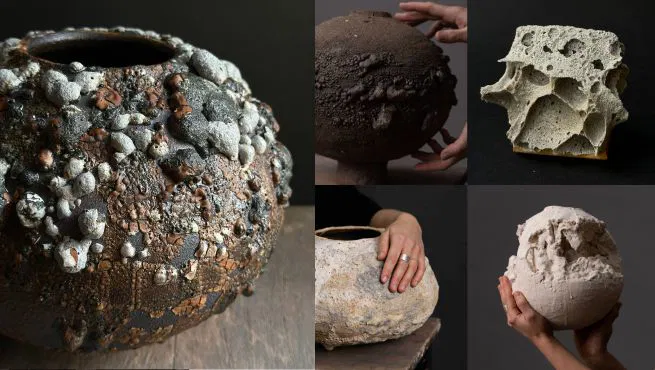
Maria Loram – Special Effect Glazes
Ceramic School is an online learning platform
This article contains affiliate links. If you choose to join Ceramic School through them, I may earn a small commission at no extra cost to you. This helps support my work and allows me to keep creating independent content.
If you’ve ever worked with clay, or you’re simply curious about learning ceramics or a specific technique, there’s a good chance you’ve come across Ceramic School. It often appears in Google searches, on Instagram, and in recommendations from other ceramic artists.
The real question is: Is Ceramic School genuinely a useful educational platform, or just another nicely packaged online project?
This article is not sponsored, and it’s not a paid feature. I’m writing from the perspective of someone who has researched the platform. The mission of this journal is to build a community of people who love learning, improving, and creating with their hands. With that in mind, I’m looking at Ceramic School through the lens of real value for the user—whether you’re a beginner, an advanced hobbyist, or a professional ceramic artist.
What Is Ceramic School?
Ceramic School is an online educational platform focused exclusively on ceramics. It brings together professional instructors from around the world, which is one of its biggest strengths. Instead of learning a single style or approach, you gain access to a large library of lessons, workshops, and lectures covering nearly all aspects of ceramics, including:
- Handbuilding techniques
- Wheel throwing
- Glazes and glaze chemistry
- Kilns and firing
- Design, form, and function
- Selling ceramics and building a brand
- Large-scale work and ceramic sculpture
Why Choose Ceramic School Over YouTube or Free Platforms?
This is an important question, because today almost everything can be found online for free. The difference comes down to three key points.
1. Structure (Which Free Platforms Lack)
YouTube and other free platforms are often chaotic. Content is usually created by influencers rather than educators, and there’s rarely a clear learning path. Ceramic School, on the other hand, offers structured courses, moving from fundamentals to advanced techniques.
The instructors are active professional ceramic artists with years of experience, exhibitions, and real studio practice behind them. That level of seriousness shows in both their explanations and their teaching approach.
For beginners, this structure makes learning far less frustrating. For more advanced users, it allows you to focus directly on what you need without wasting time.
2. Depth of Content
Ceramic School doesn’t just show how something is done—it explains why.
You’ll find content that addresses questions such as:
- Why does this piece crack?
- How should a glaze be adjusted?
- What needs to change in the process to get consistent results?
That’s the difference between watching and actually learning.
3. Access to a Community
One particularly valuable aspect of Ceramic School is its community spaces. Students can share their work, exchange knowledge, ask questions, and learn from one another. That sense of connection is often missing when learning alone online.
Is Ceramic School Suitable for Beginners?
Ceramic School can work for beginners, provided you’re motivated and willing to put in the time.
If you’ve never touched clay before, it’s still a viable option—especially for self-taught learners who don’t have access to local ceramic studios or workshops. The key is choosing courses that match your current level and progressing gradually.
One of the biggest advantages is flexibility: you can learn at your own pace, revisit lessons, and build on any experience you may already have from in-person classes.
What About Advanced and Professional Ceramic Artists?
This is where Ceramic School becomes especially valuable.
Even experienced ceramicists benefit from:
- exploring new forms and techniques
- solving recurring technical issues
- refining both aesthetic and functional aspects of their work
Courses on glaze formulation, testing, kiln use, production workflows, and design can significantly improve not only visual results but also technical consistency.
There is also content focused on the business side of ceramics, including:
- building a brand
- selling work
- social media and visibility
- getting published in magazines
- growing your own audience and community
For many artists, this knowledge is just as important as studio skills.
Single Courses or Monthly Membership: Pricing Explained
This Ceramic School offers two ways to access its content: individual courses (workshops) or a monthly membership.
If you choose a single course, you purchase access to one specific workshop and learn directly from the artist behind that course or technique. This option works well if you’re interested in learning one particular skill or exploring a specific topic without committing to a subscription.
The monthly membership, on the other hand, gives you access to 150+ professional pottery workshops, live online classes, and tickets to selected live events. It’s designed for those who want broader access to Ceramic School’s full library and ongoing learning opportunities.
If you only want to watch one course or focus on a single technique, purchasing an individual workshop may be the better choice.
If you plan to learn consistently, test ideas, develop your personal style, and explore a wide range of techniques, the monthly membership offers better overall value.
The Real Advantages of Ceramic School
Let’s be direct about what actually stands out:
✔ A large amount of high-quality content
✔ International instructors with diverse approaches
✔ Strong technical focus (not just aesthetics)
✔ Self-paced learning
✔ Useful for both hobbyists and professionals
The Downsides (Because No Platform Is Perfect)
If you’re expecting perfection, this isn’t it. Some real limitations include:
✖ All content is in English
If your English isn’t at least conversational, this could be a barrier.
✖ No physical feedback
As with any online learning, no one can physically correct your technique in real time.
✖ It can feel overwhelming
With so much content available, it’s easy to feel lost without a clear learning goal.
Is Ceramic School Worth Recommending?
If you’re looking for:
- serious knowledge
- skill development
- a deeper understanding of materials, techniques, and processes
- or guidance on building or improving a ceramics business
Then Ceramic School is worth considering.
If you’re looking for:
- quick fixes
- shortcuts
Then this platform is not for you.
Ceramic School is not a replacement for hands-on practice, but it is a powerful learning tool for anyone genuinely committed to improving their ceramic work.
Who Is Ceramic School Best For?
I would recommend Ceramic School if:
- ceramics genuinely interest you
- you’re looking for a strong ceramic-focused community
- you already work with clay and want to progress further
- you don’t have access to quality local education
- you see ceramics as a serious hobby or a professional path
If you recognize yourself here, Ceramic School is one of the few online platforms that truly offers content that justifies its price.