
Dieter Rams, born in 1932 in Wiesbaden, is one of the most influential industrial designers of the 20th century, known for the ‘less is more’ philosophy. His approach was minimalist yet functional. Even today, we see his design influence on Apple products.
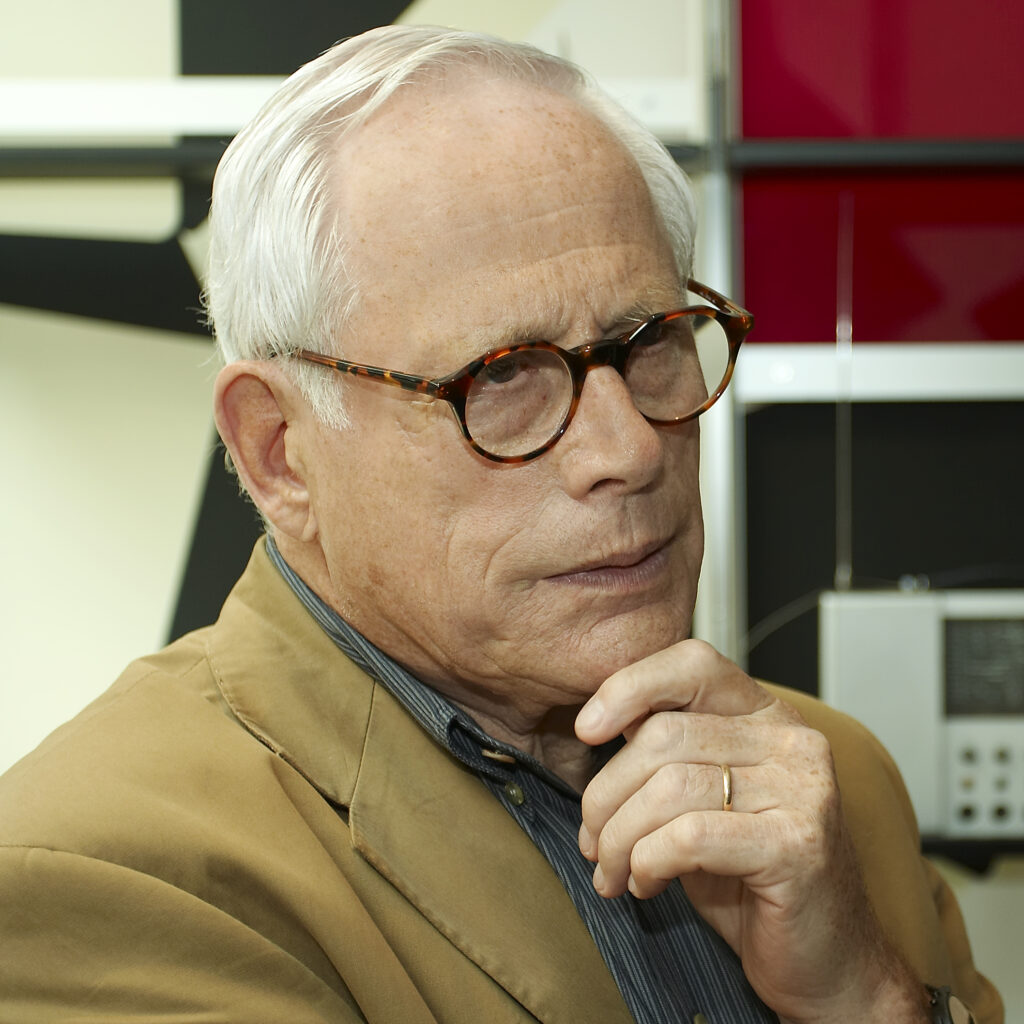
Dieter Rams. Image credit: Vitsoe at English Wikipedia / CC BY-SA 3.0, via Wikimedia Commons.
Today’s inspiration is one of the designers who is a great example of what we call slow design.
In a world where everything is created quickly and there are not many designers who don’t follow trends, he is one example, as an industrial designer, of how it is possible to create slowly but for the long term.
Dieter Rams is best known for his work at Braun; he designed radios, audio systems, and furniture. He didn’t create to impress, he created to last. He followed a minimalist approach to design, not because of aesthetics. It was important to him that what he created served its purpose without unnecessary exaggeration. He believed that good design is as little design as possible.

Konrad Conrad, Public domain, via Wikimedia Commons
Design that lasts
Rams’ way of working was not for his objects to stand out, but to last as long as possible and serve their purpose. He believed in quality and functionality.
From his way of working, guided by the idea that his objects should not become waste, we can see that Rams was a very environmentally conscious designer and often warned the design industry about the harm of overproduction and single-use items, which is especially relevant today.
Rams can teach us that, even when we excel at our work, we must not lose our integrity and should remain aware of how our influence affects the global stage.
Today, many industrial production objects and designs reflect his influence, where neutral tones, fine lines, and minimalism are strongly present.
But his philosophy was not aesthetic, but to care for and respect the environment.
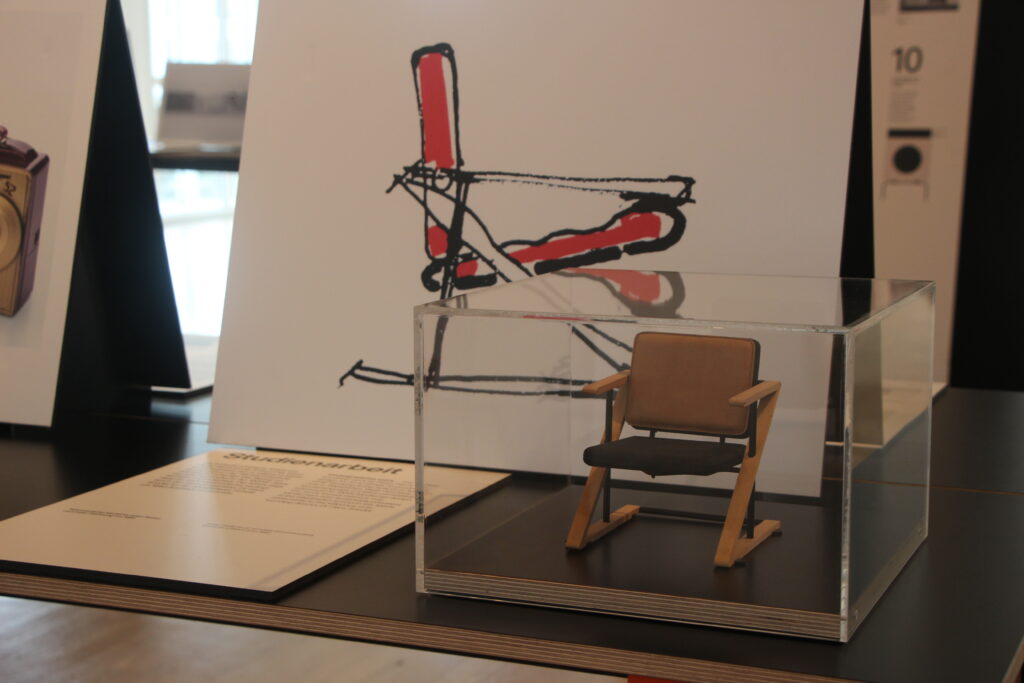
Dieter Rams, chair, Undergraduate work, drawing 1952, Museum for Applied Arts Frankfurt, Germany
Wikisympathisant, CC BY-SA 4.0 via Wikimedia Commons
Why his influence matters
His disciplined approach to work and quiet perfectionism show that when we move through life with intention, we choose more wisely and create things that last.
The slow movement is probably not a new movement, but something that has always been there. It is up to us whether we will live it or not.