Artist Bio
Born in Caserta in 1972, Mario Ferrara is an architectural photographer. He graduated in Architecture at the Federico II University of Naples and holds a Master’s degree in Photographic Representation of Architecture and the Environment from La Sapienza University of Rome, and a PhD in Architecture. He works on photographic campaigns for research on architecture, landscape, and territorial contexts, alongside a personal practice centered on landscape photography. He teaches photography at public and private institutions and at national and international workshops, and has taught Architecture Photography at the Academy of Fine Arts in Naples and at the Department of Architecture (DiARC) of the Federico II University of Naples. His work includes numerous publications and personal and group exhibitions in Italy and abroad. He is a member of TAU Visual, Italy’s National Association of Professional Photographers.
Statement
TERRA NOSTRA
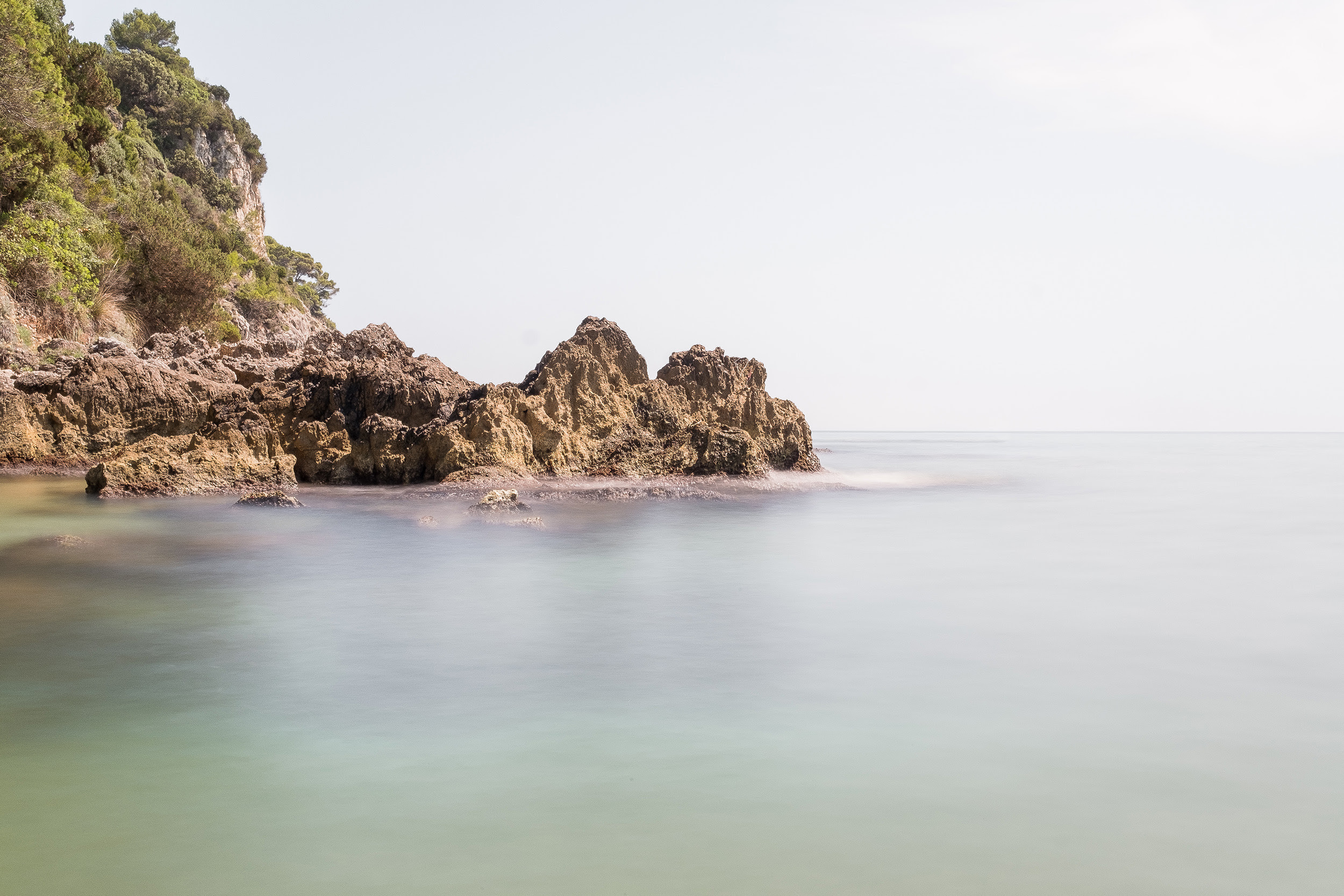
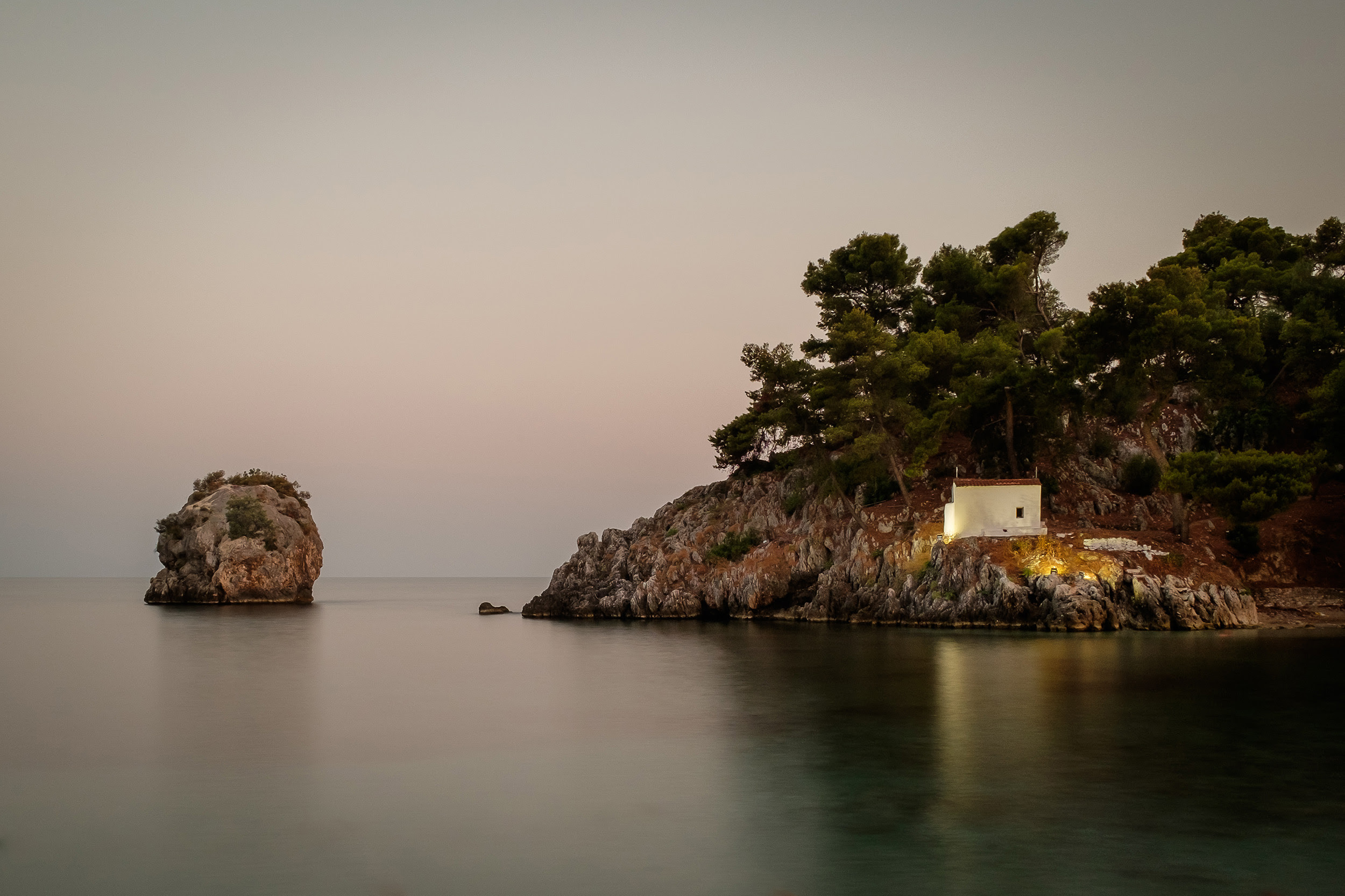
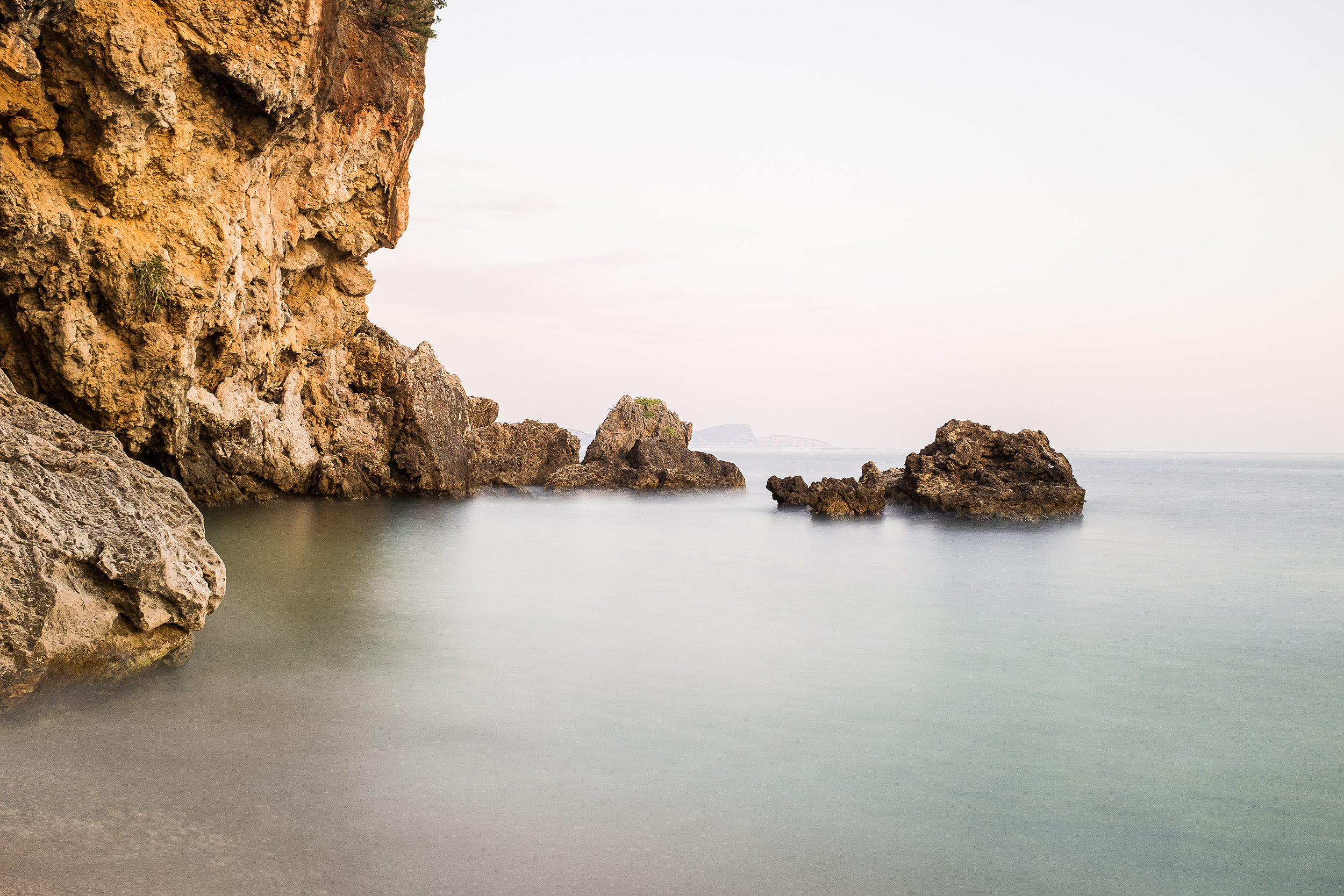
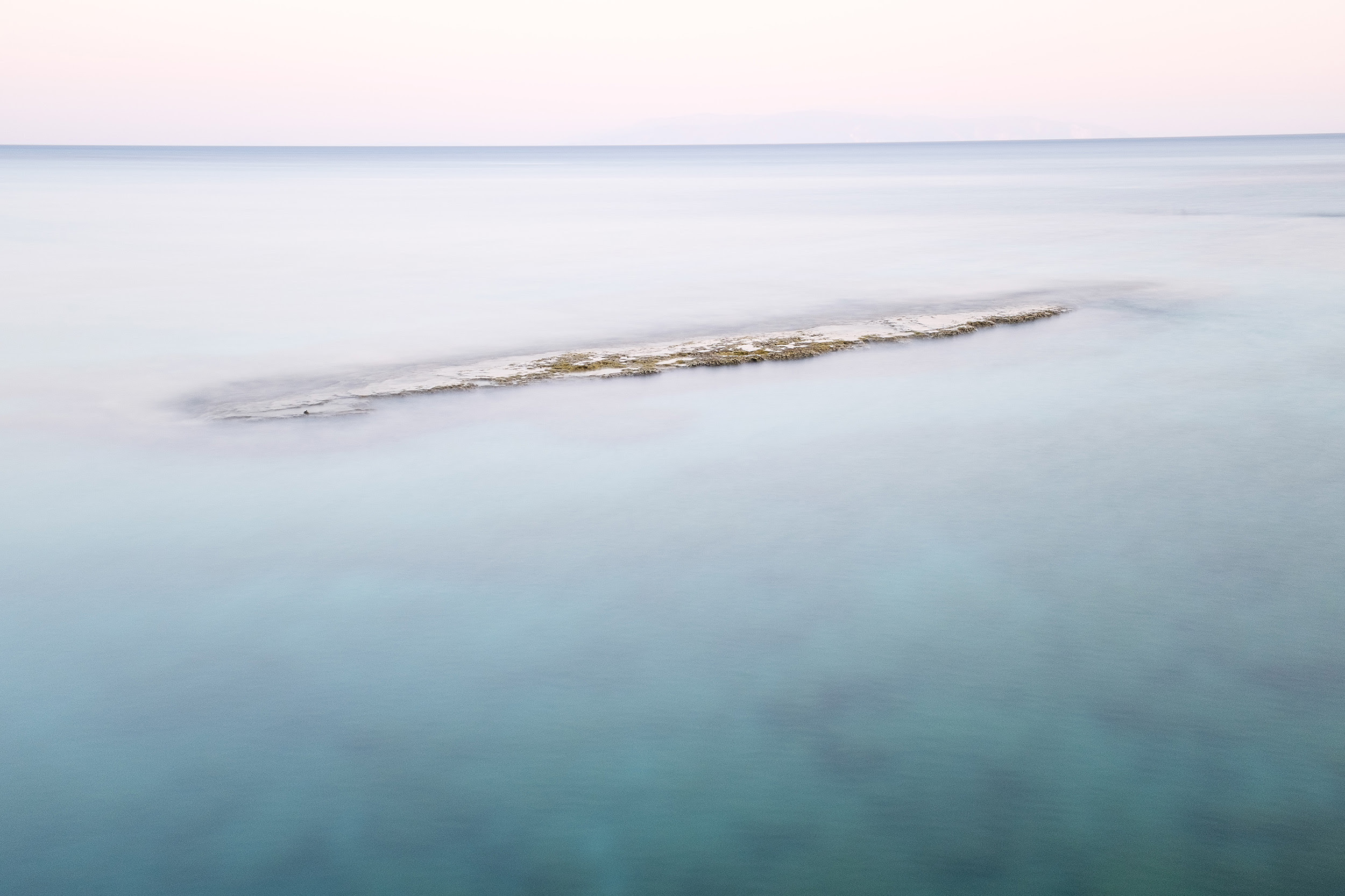
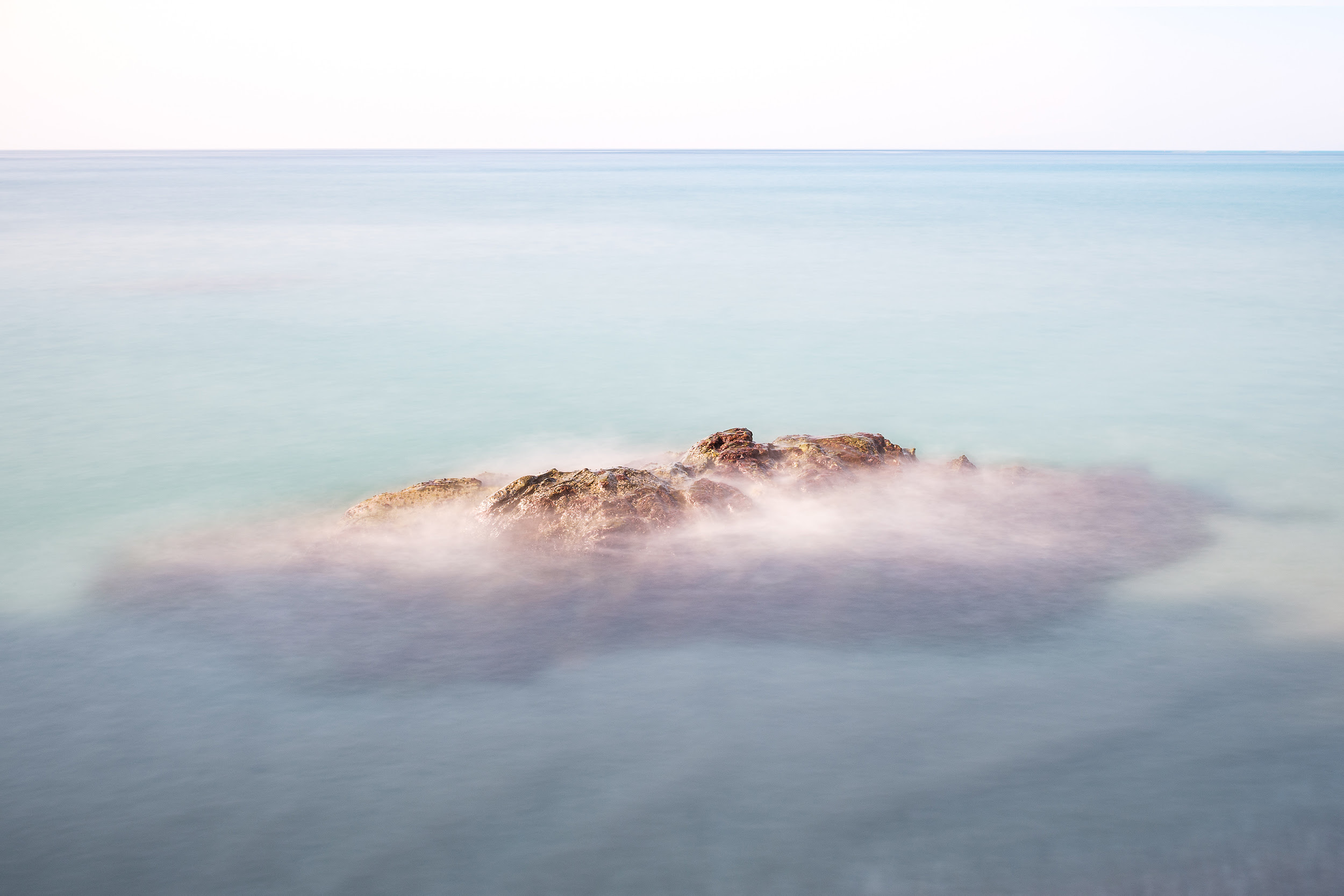
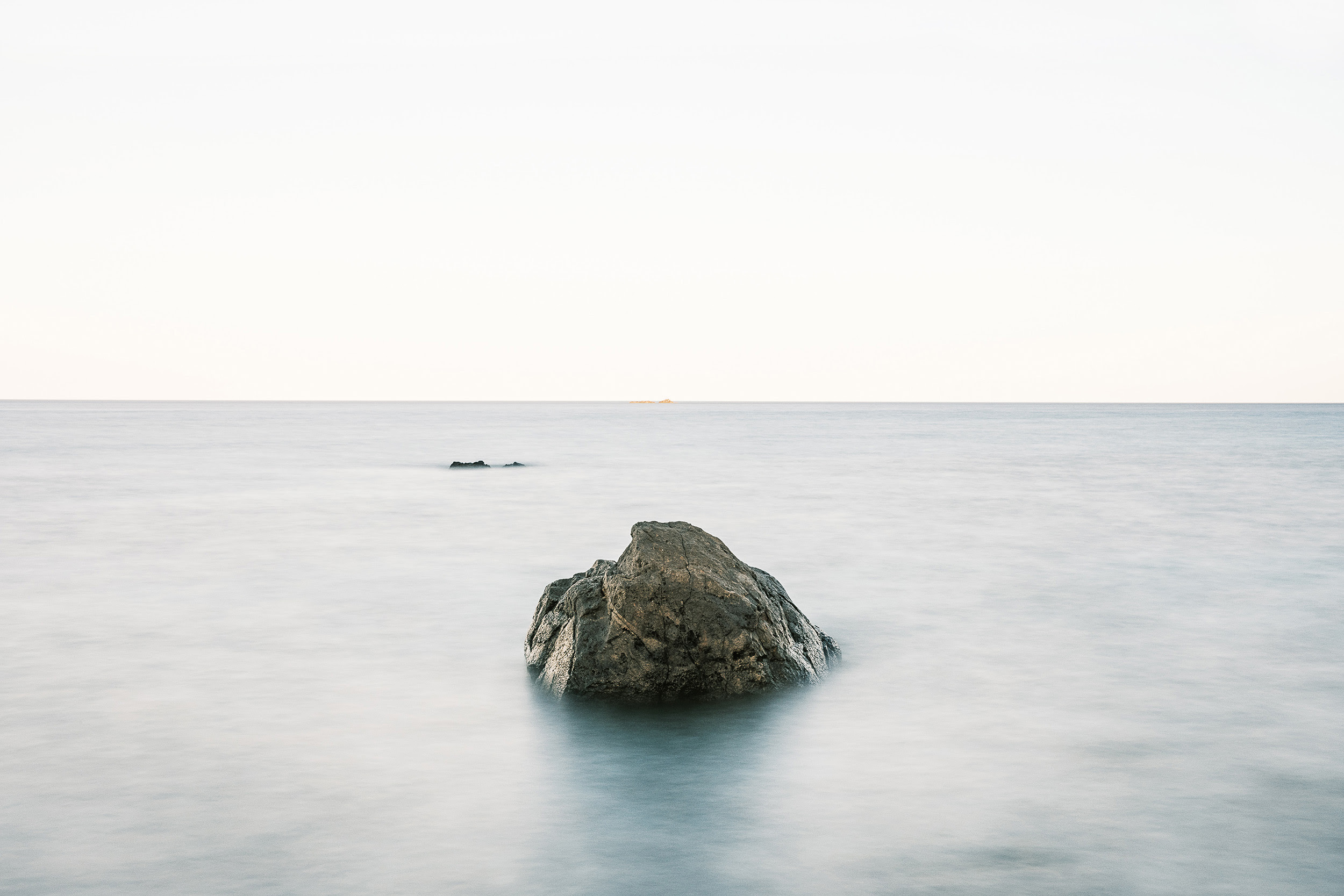
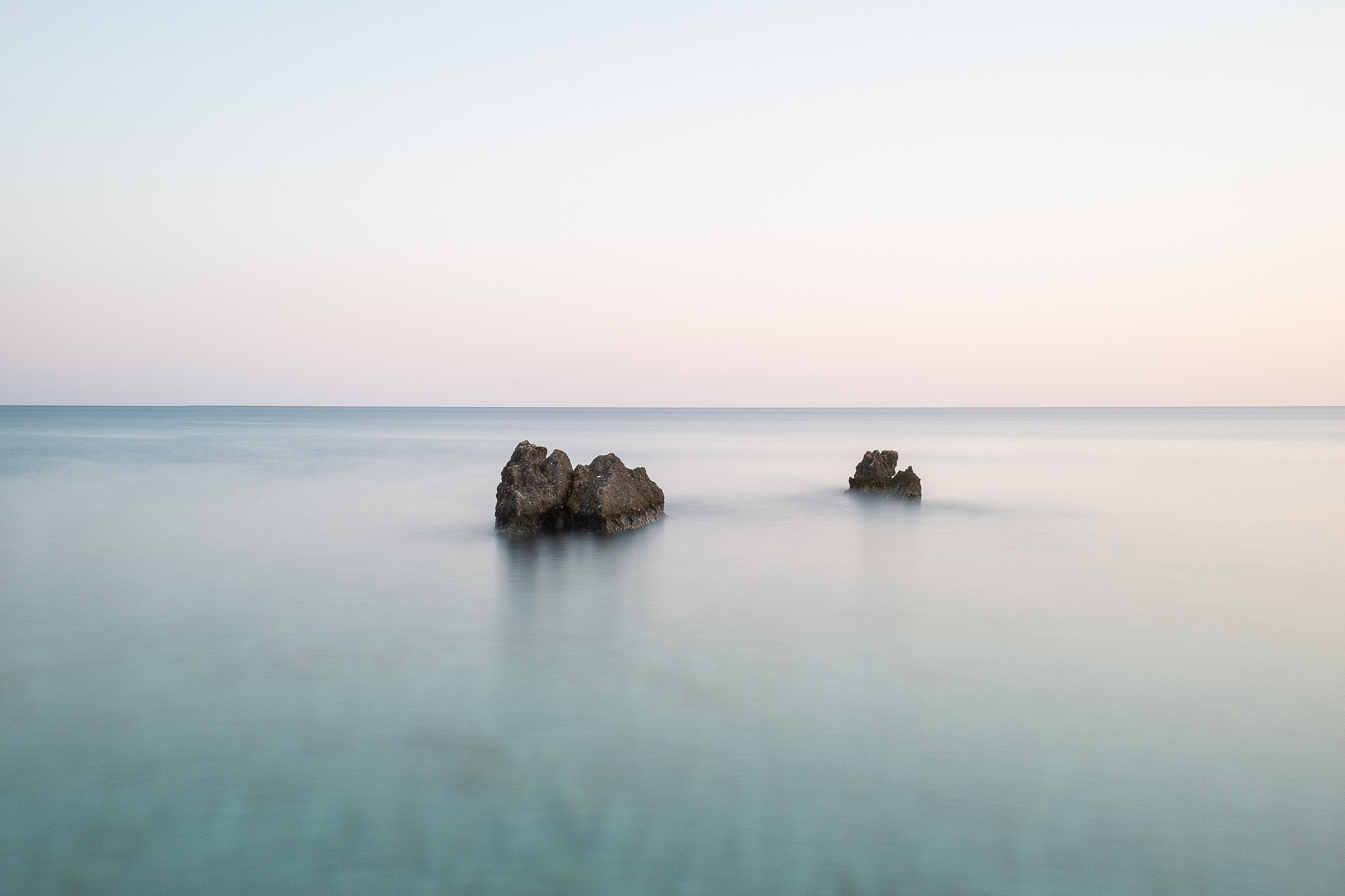
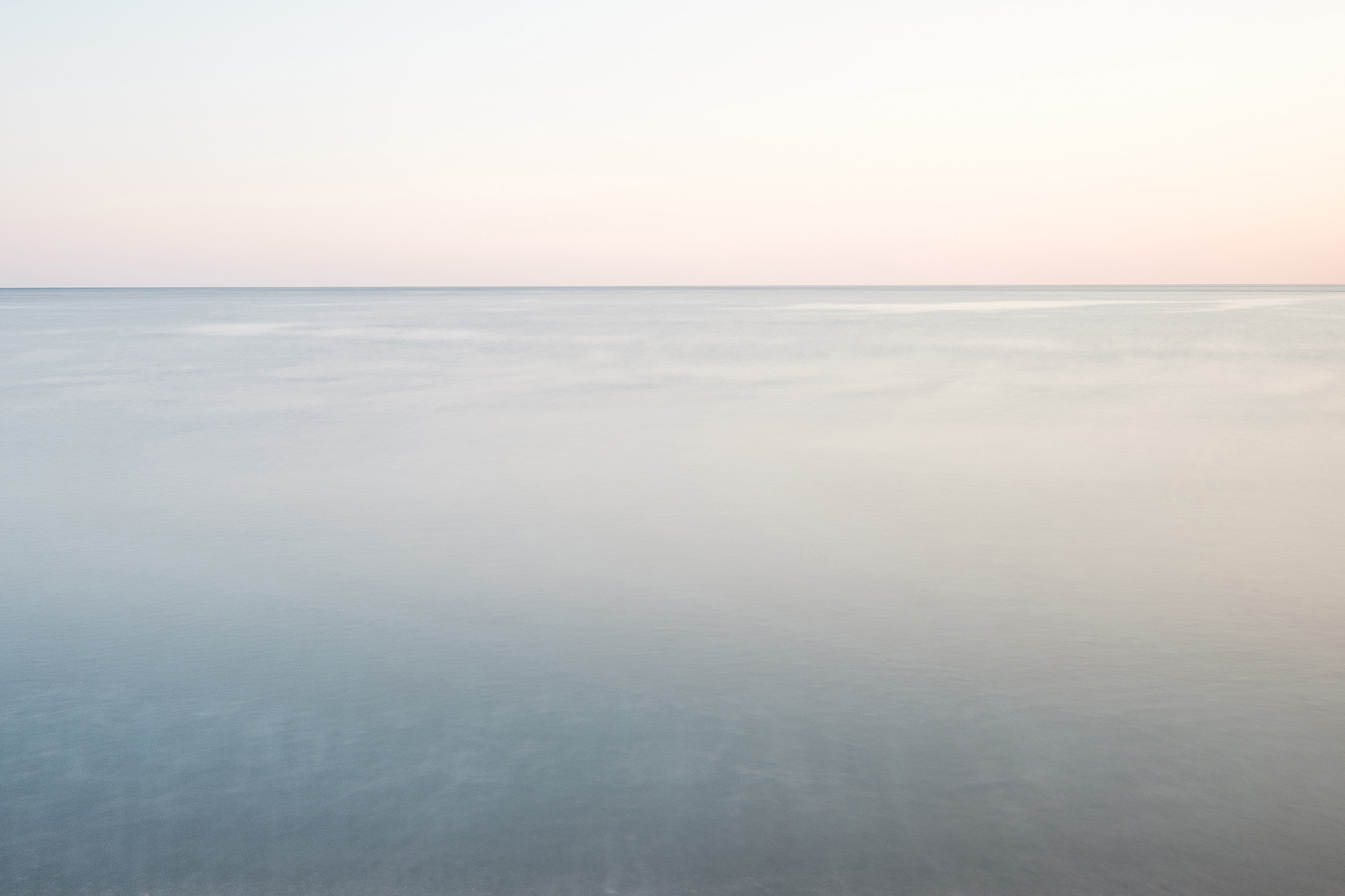
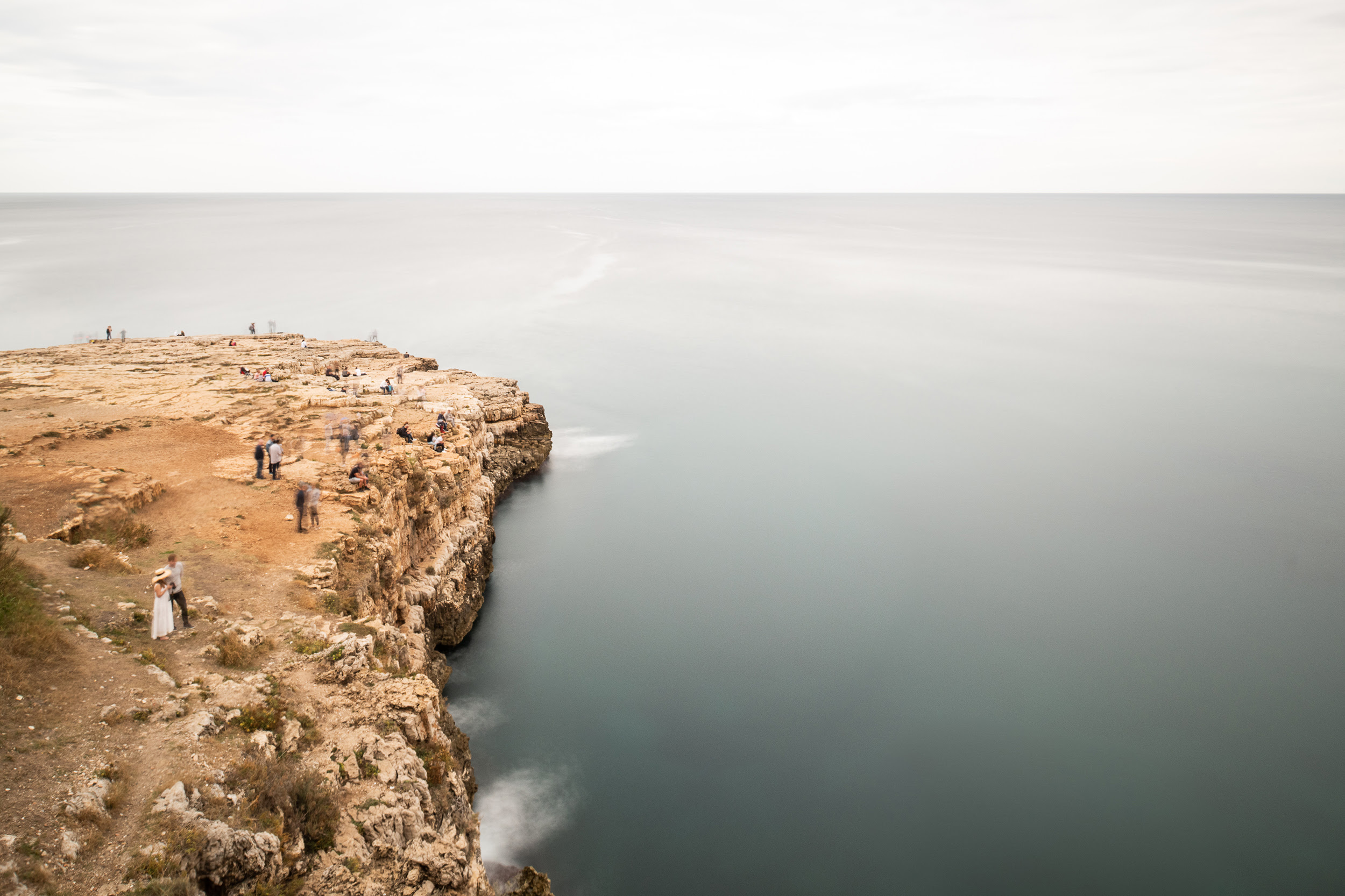
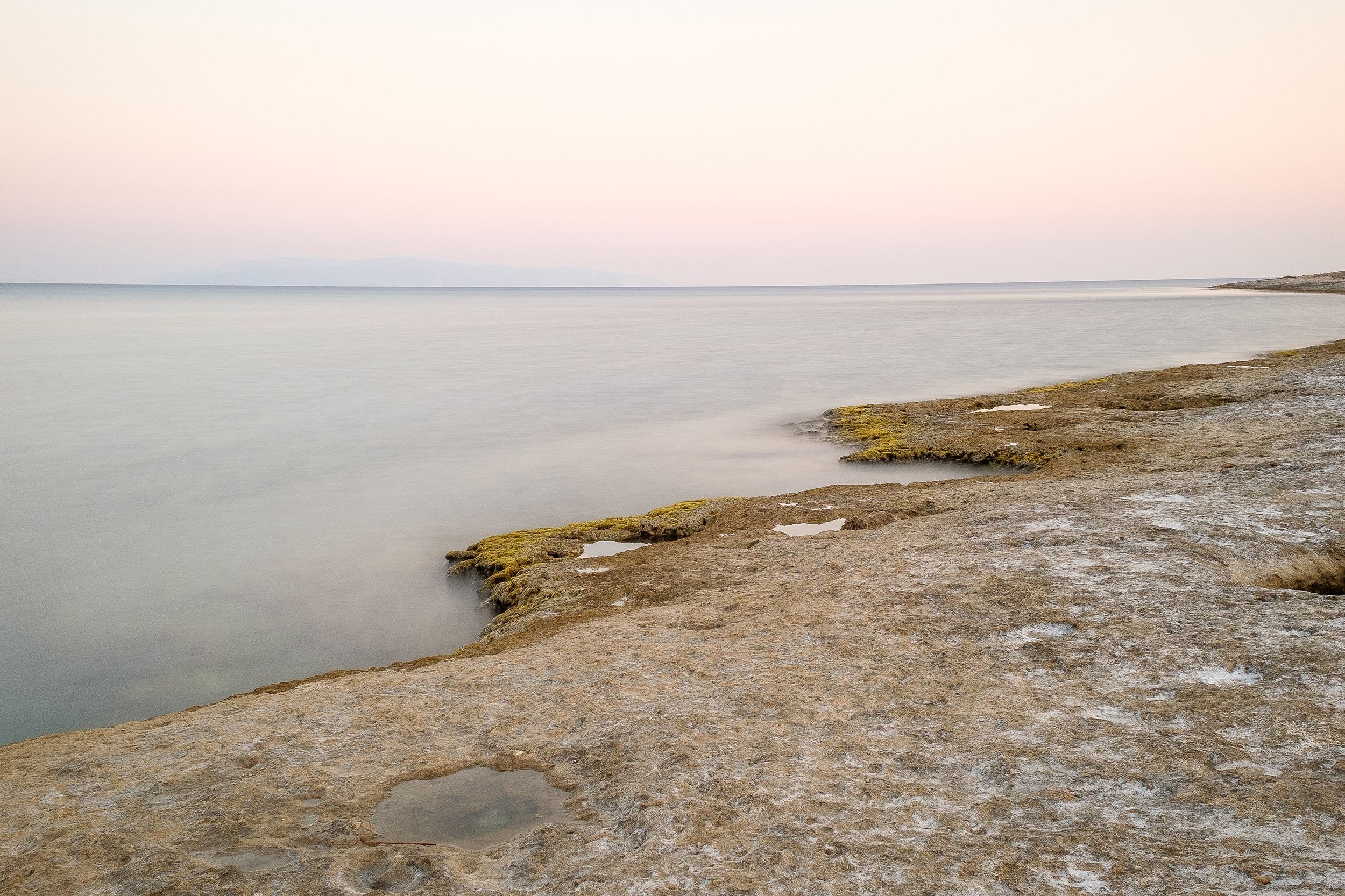
‘Terra Nostra’ is a study of the Mediterranean coastline built without national borders. Photographed with long exposures across Puglia, Lazio, Calabria, Sardinia, Sicily, and Greece’s Ionian and Epirus coasts — Kefalonia and Parga — the sequence deliberately pairs the images so that a rock in Kefalonia becomes indistinguishable from a rock in Sardinia, a cove in Parga from one in Sperlonga. Only the caption restores the geography. The series argues that the sea is not a line dividing land from land, but the very thing that binds it — closer to a threshold than a border, in the way Predrag Matvejević once described the Mediterranean’s edges as impossible to fix in space or time. The ten photographs are arranged as four consecutive pairs (2a-2b, 3a-3b, 4a-4b, 5a-5b), each shot in a different place but conceived to read as a single, doubled image; the sequence opens and closes with Polignano a Mare and Parga, the only two frames showing human presence and architecture. What holds the series together is not one place, but the recurrence of the same forms on opposite shores. In principle, the project need not stop here: it could follow the entire Mediterranean basin, shore after shore, finding the same identity everywhere.