
Artist Bio
French photographer Stéphane Goin was born in 1972 in the south of France. He grew up in an artistic environment where photography quickly became a means of expression. After studying communication and gaining experience in the press and publishing industries, he developed a personal photographic practice shaped by numerous journeys, particularly across the United States. His American road trips led to the creation of the series Mad(e) in USA, in which he explores the myths and imagery of the American dream through a documentary approach influenced by the New Topographics movement. Since moving to the Hauts-de-France region in 2017, he has continued his work by focusing on his adopted territory, documenting its landscapes, architecture, and inhabitants. His practice, deeply attentive to human stories and the memory of places, combines an observation of reality with a poetic sensitivity. Through his images, Stéphane Goin explores questions of time, identity, and collective narratives, while revealing the poetry found in everyday life.
Statement
MEDITERRANEAN MARKS
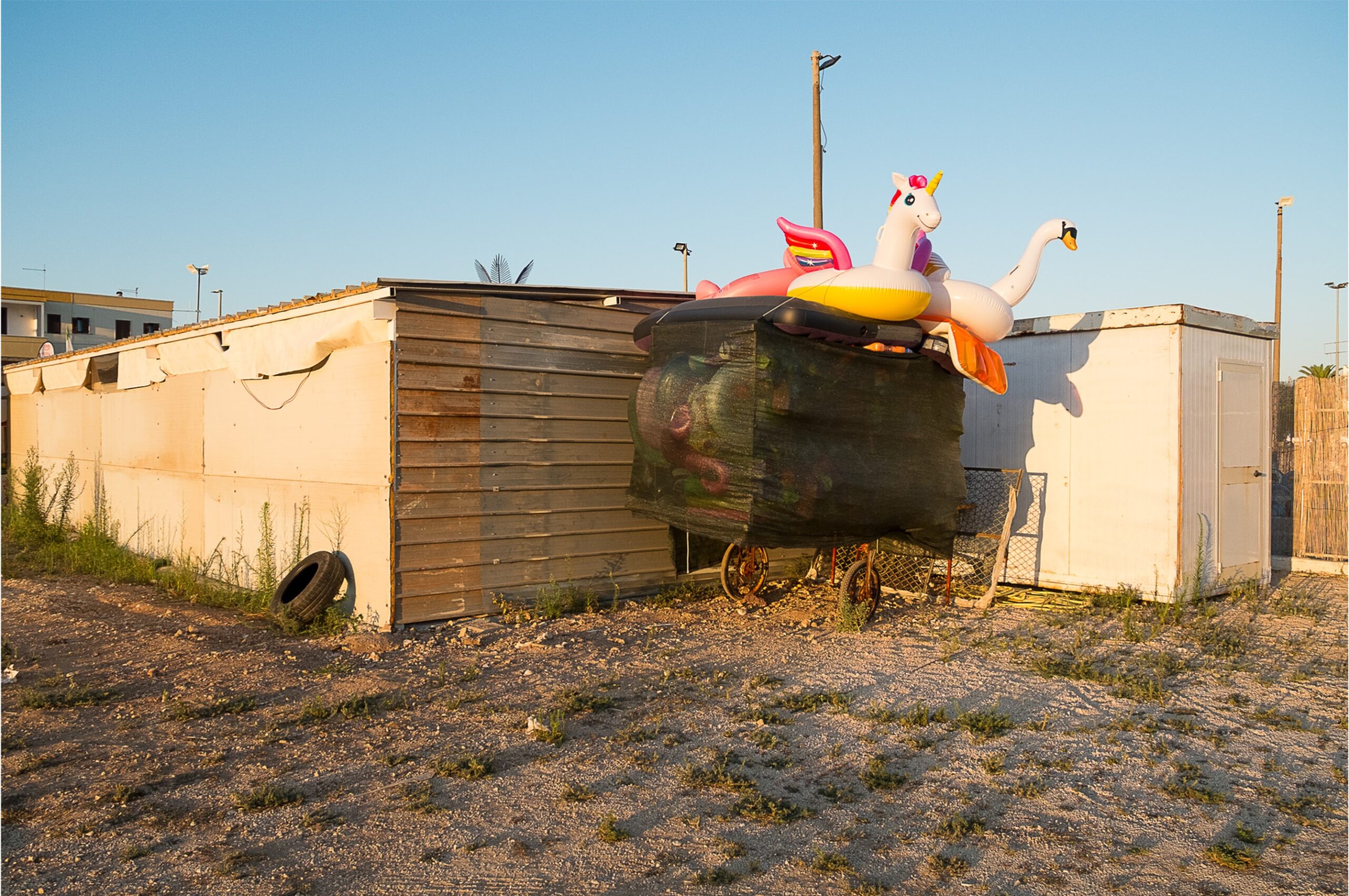
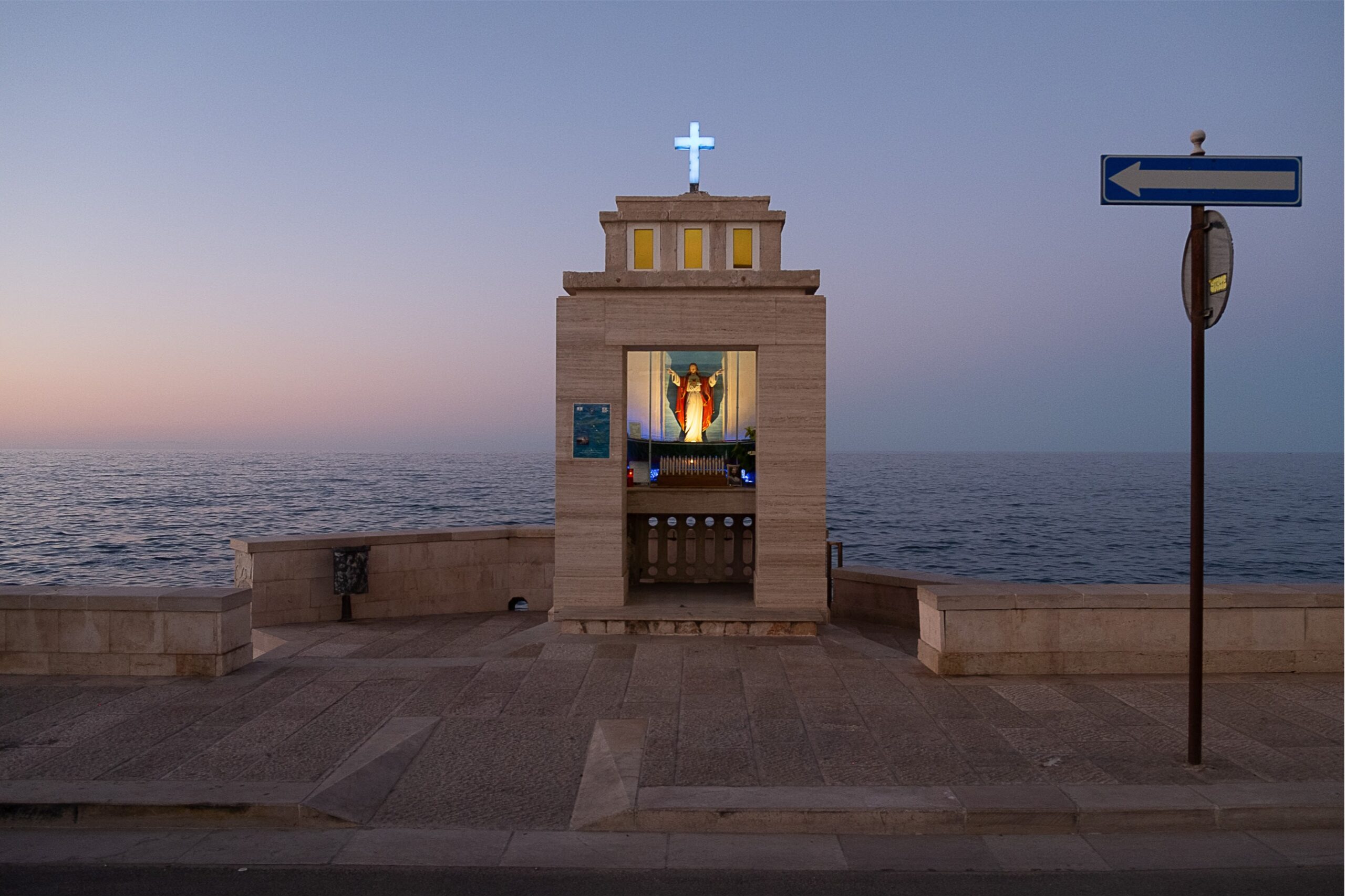
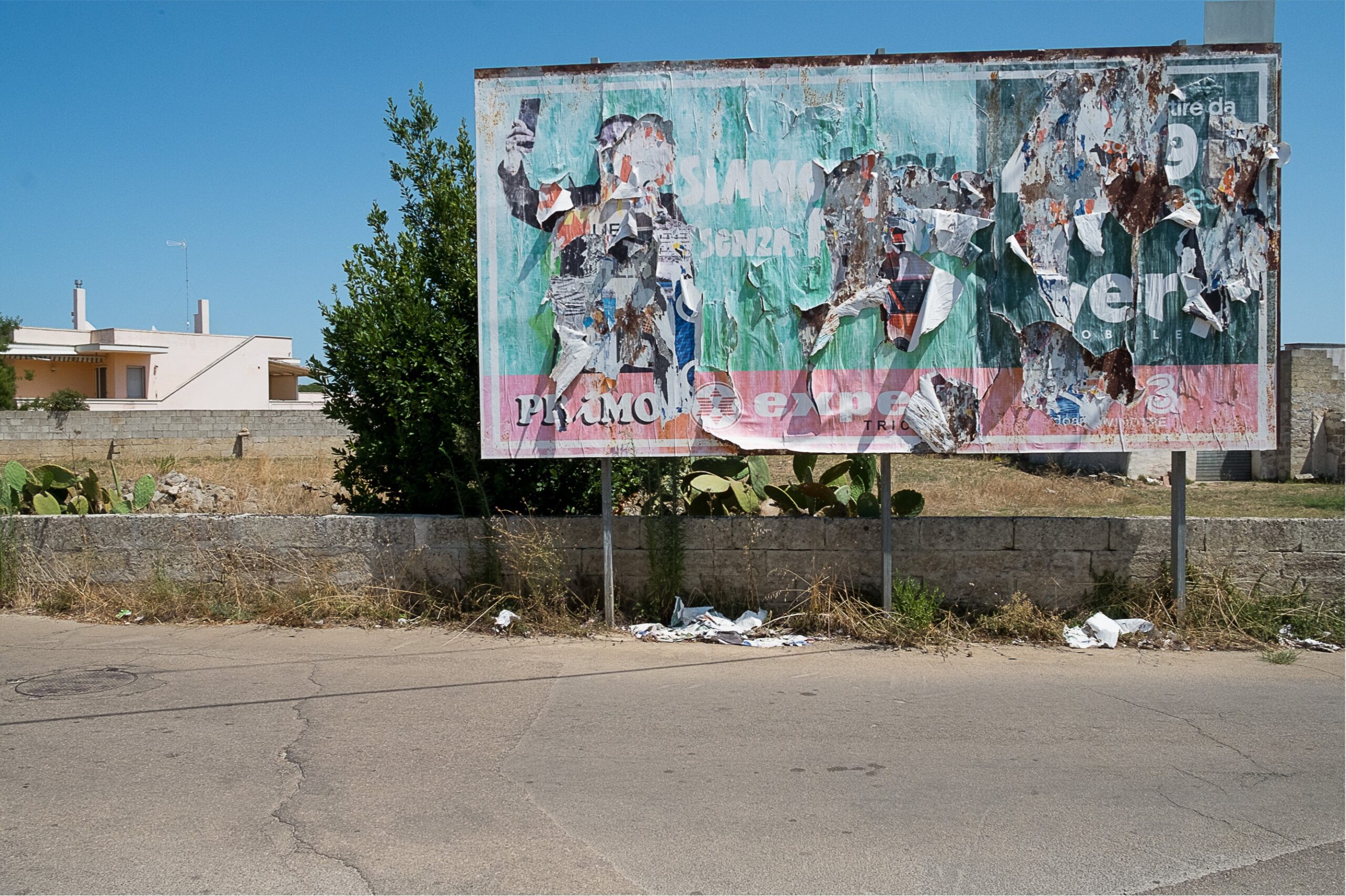
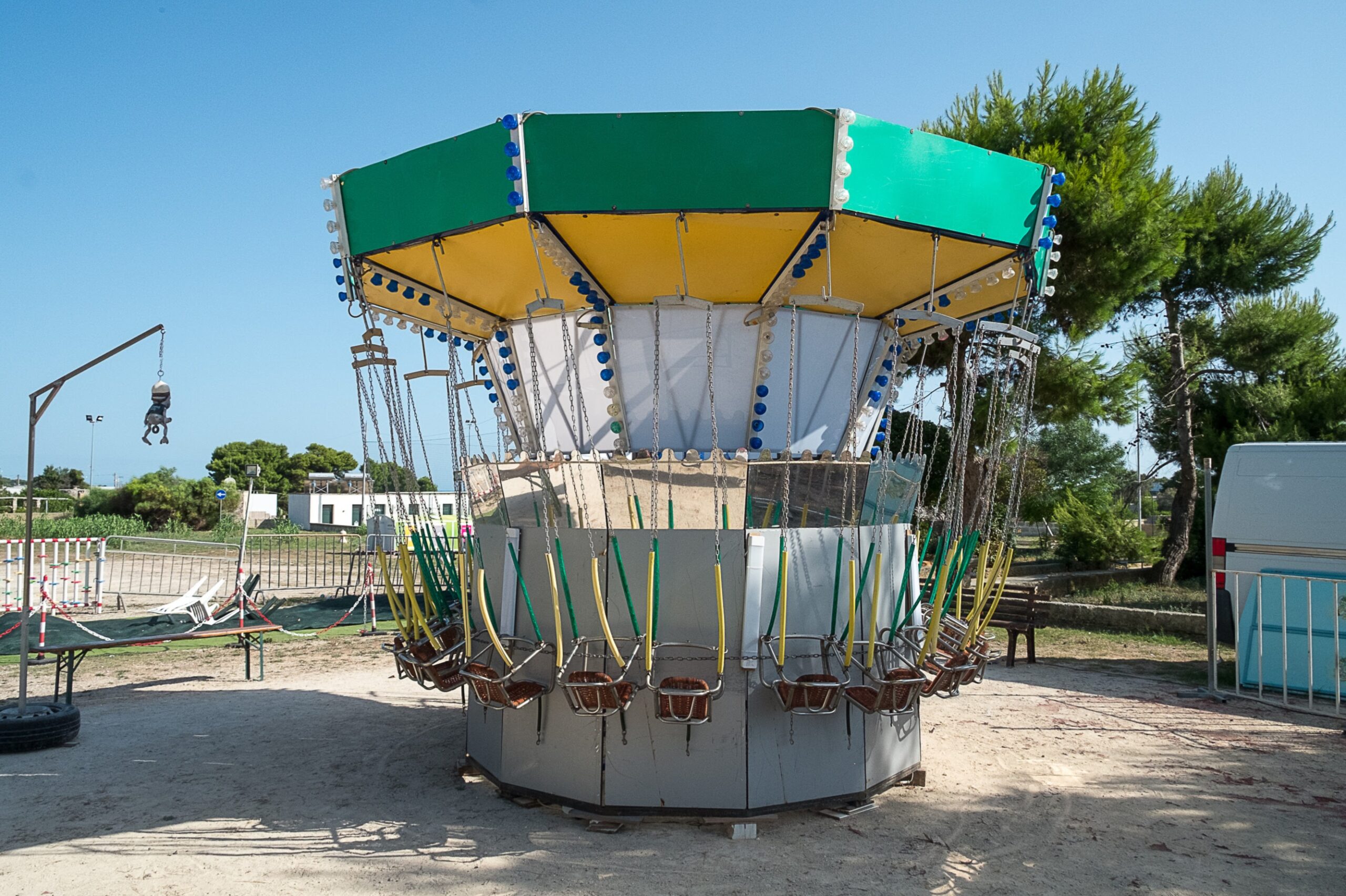
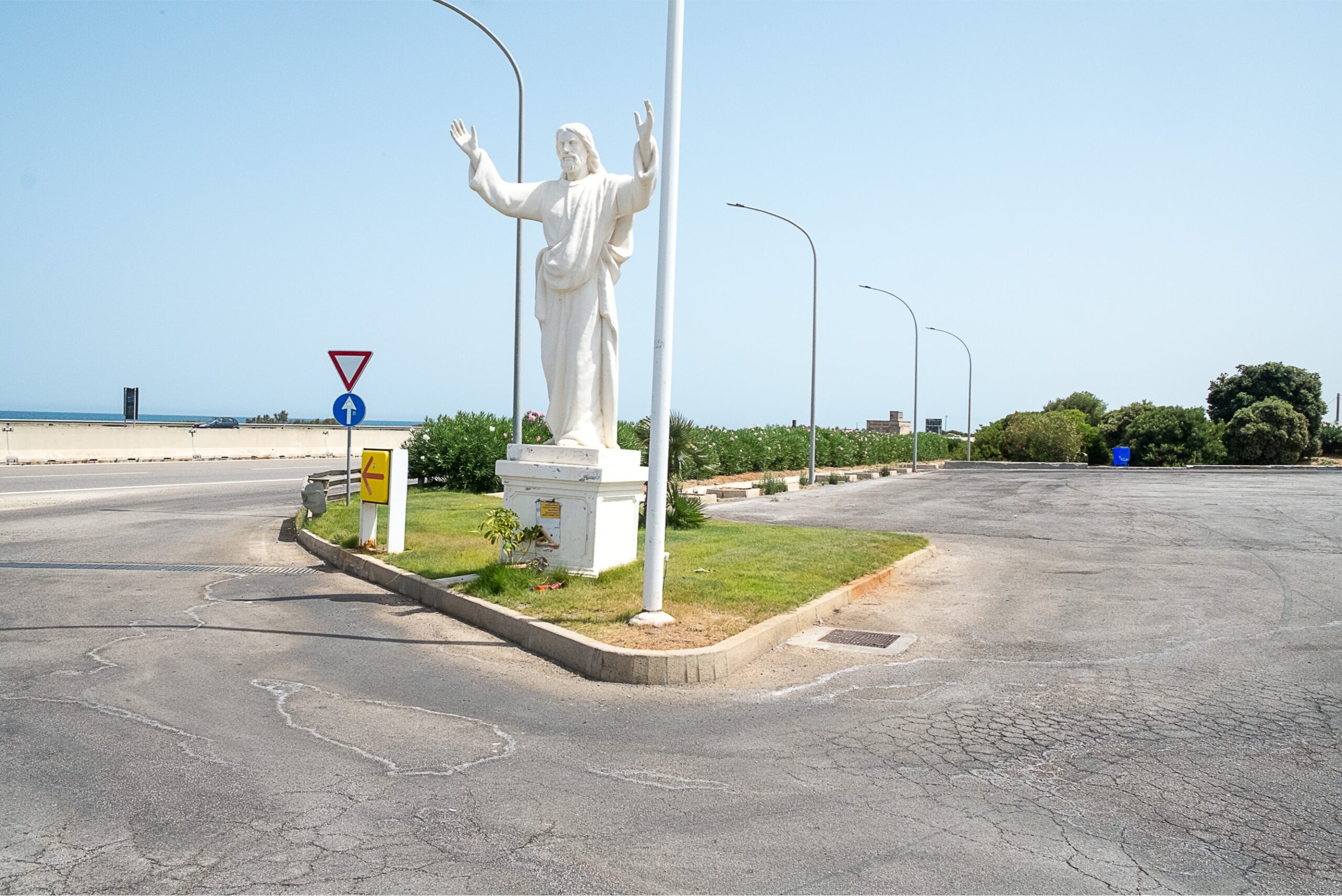
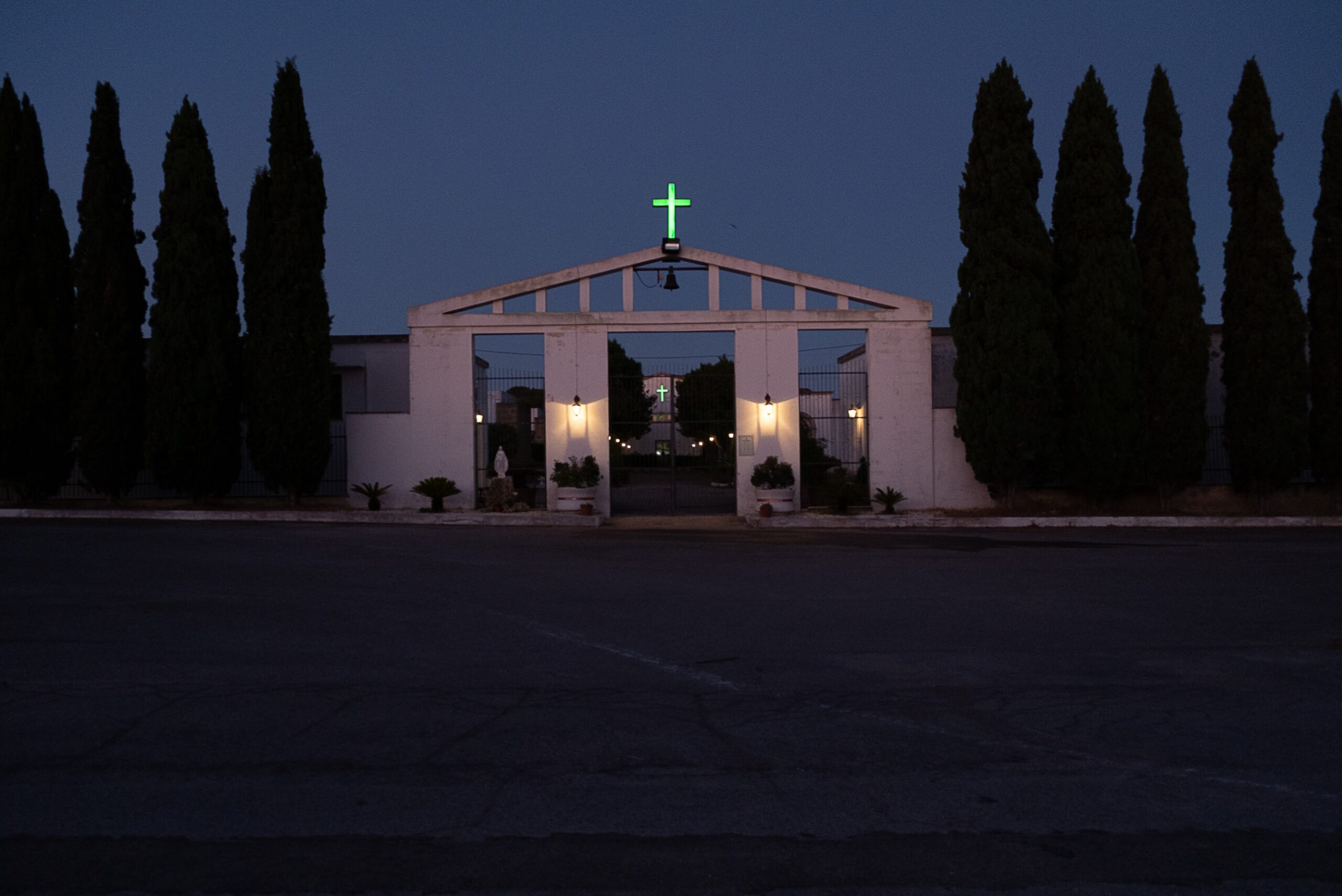
Photographed in Puglia, this series explores the Mediterranean as a landscape shaped by subtle human interventions rather than by its iconic scenery.
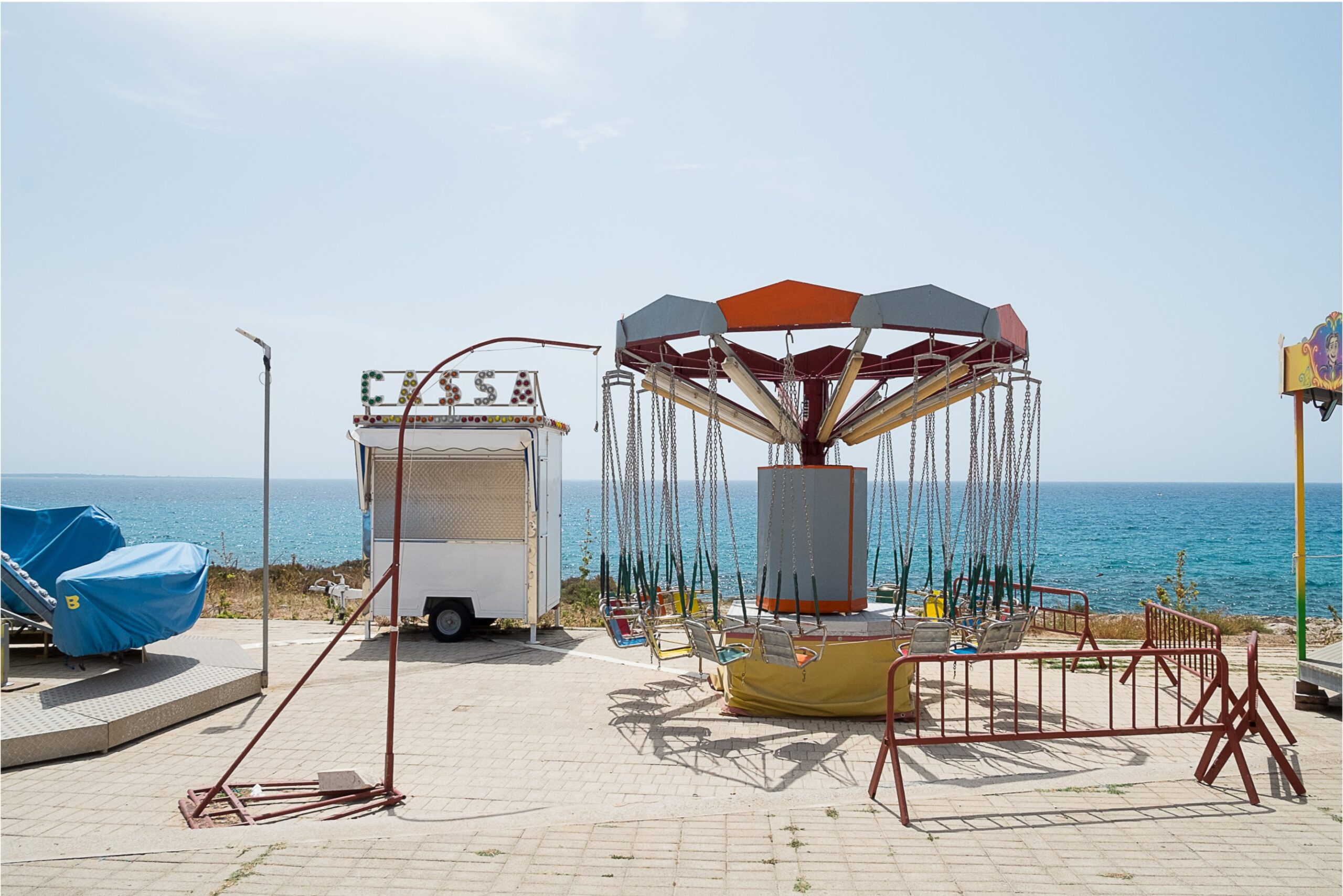
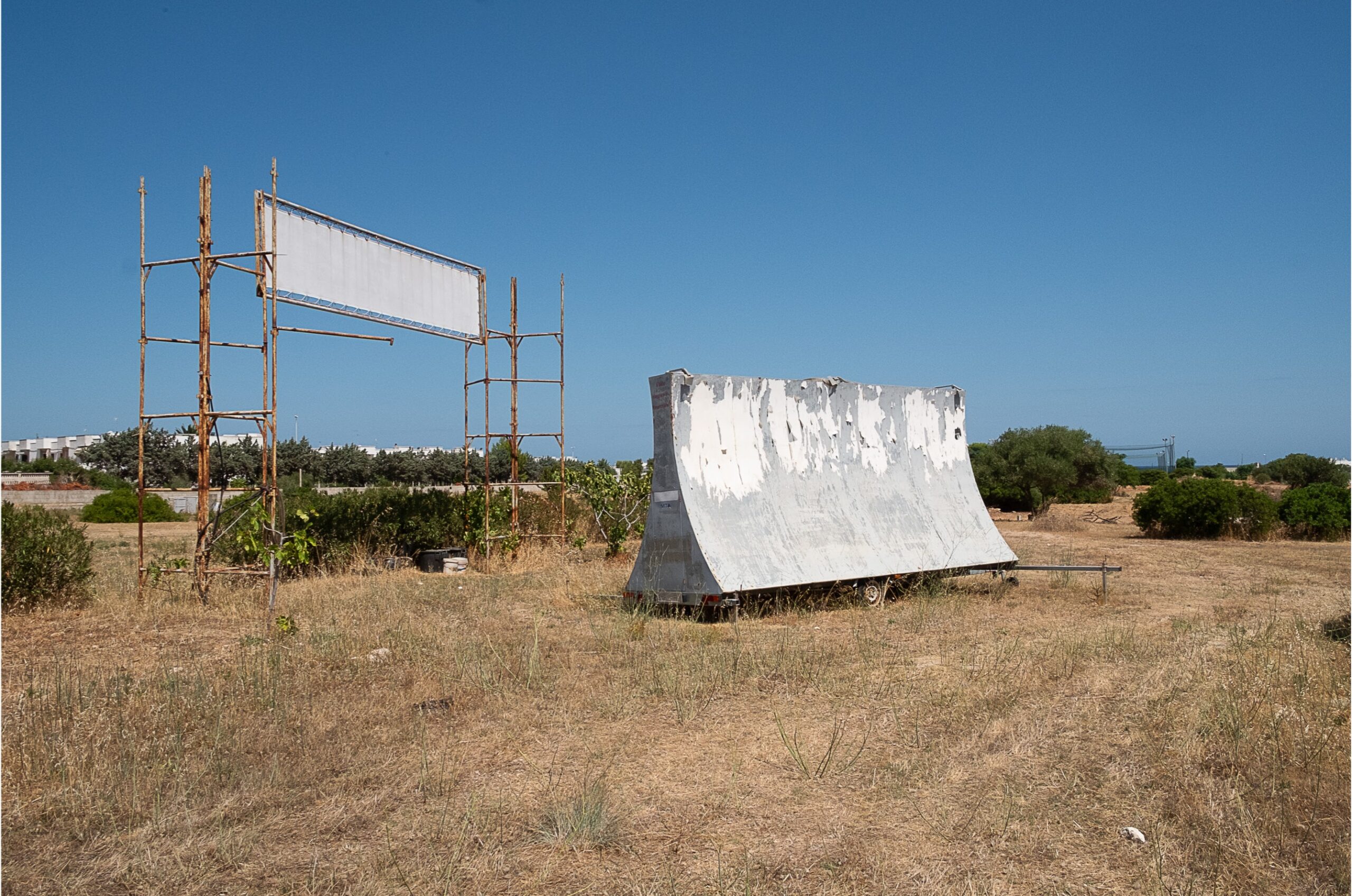
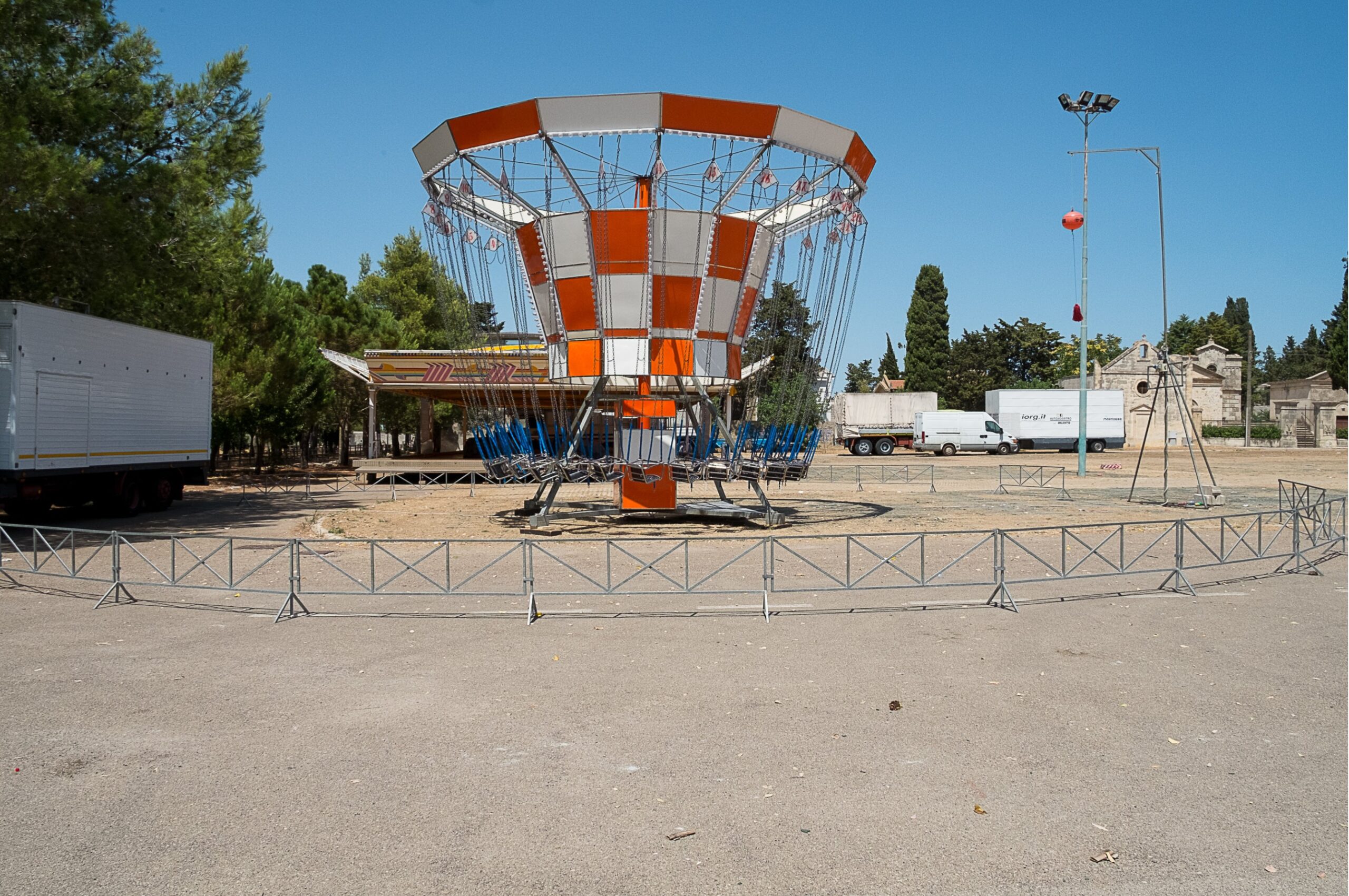
My attention is drawn to ordinary places where leisure, devotion and infrastructure quietly coexist. A deserted carousel overlooking the sea, a small roadside shrine, a traffic sign, an empty promenade—these modest elements become visual markers of a territory suspended between permanence and seasonal occupation.
The sea is never the subject itself. It acts instead as a constant horizon against which these fragile constructions reveal the ways people inhabit, organize and imagine the coastline. What interests me is the tension between the timelessness of the landscape and the transitory nature of human presence.
Influenced by a documentary approach to landscape, I seek images where the familiar becomes quietly enigmatic. Rather than describing the Mediterranean through spectacle, this work reflects on the traces, rituals and silent architectures that define its everyday identity.